



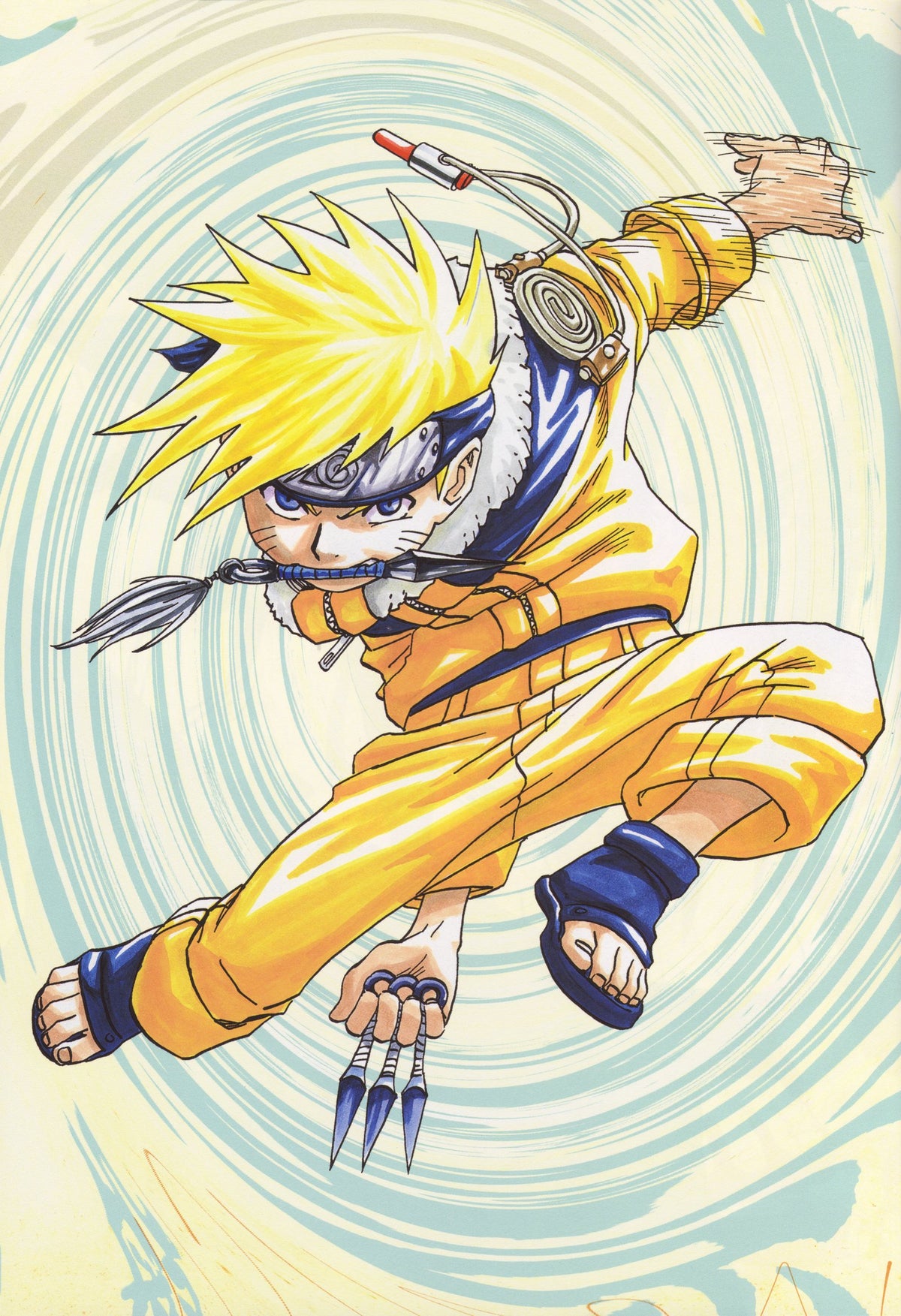

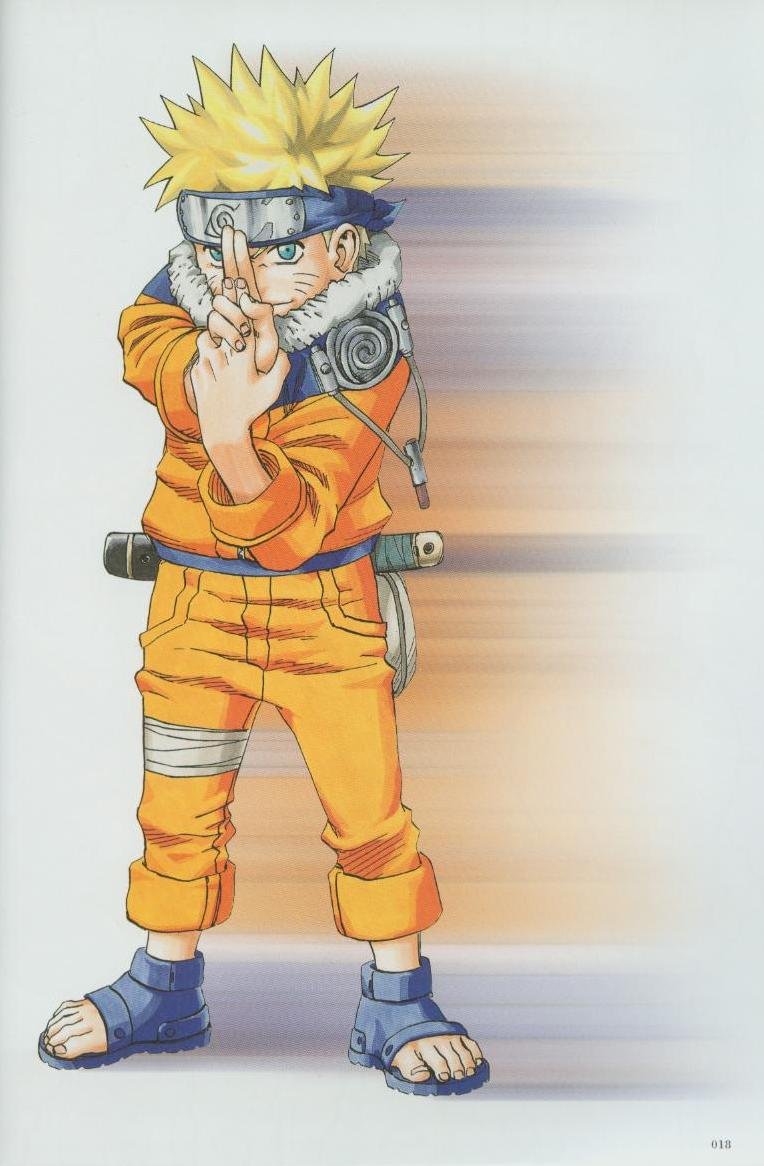
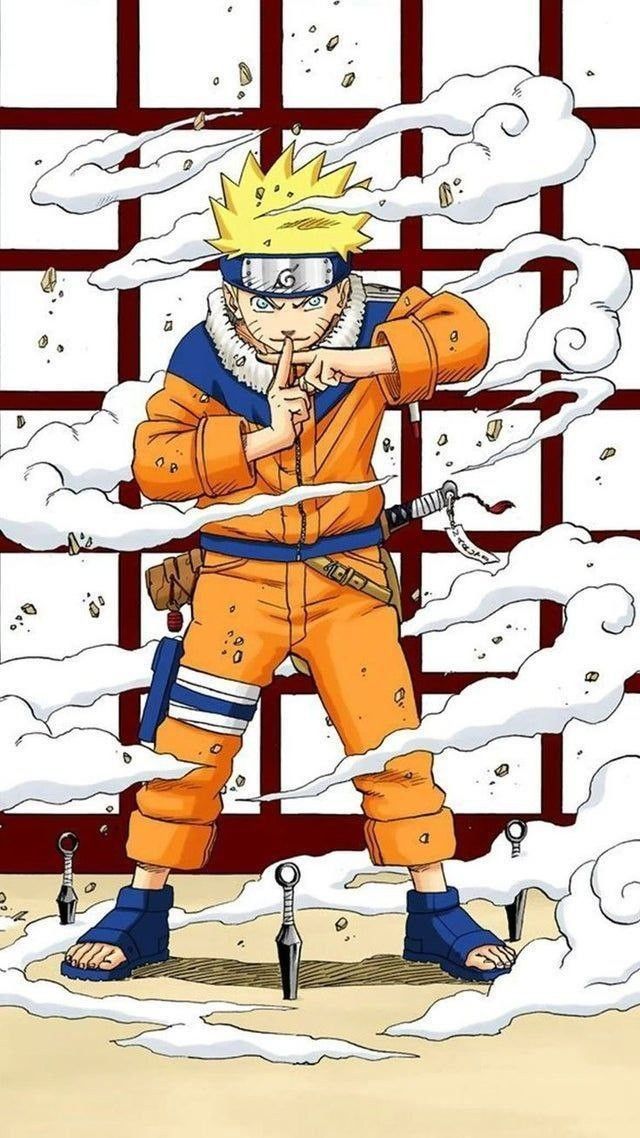
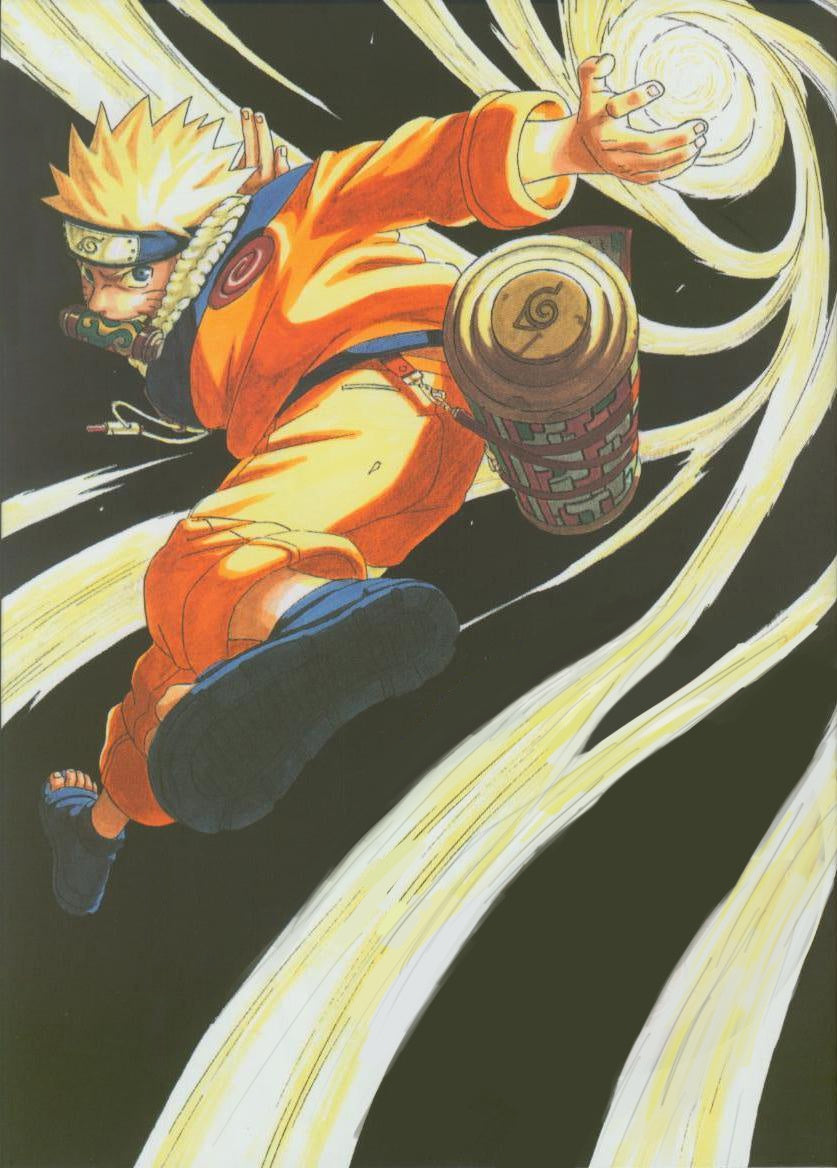
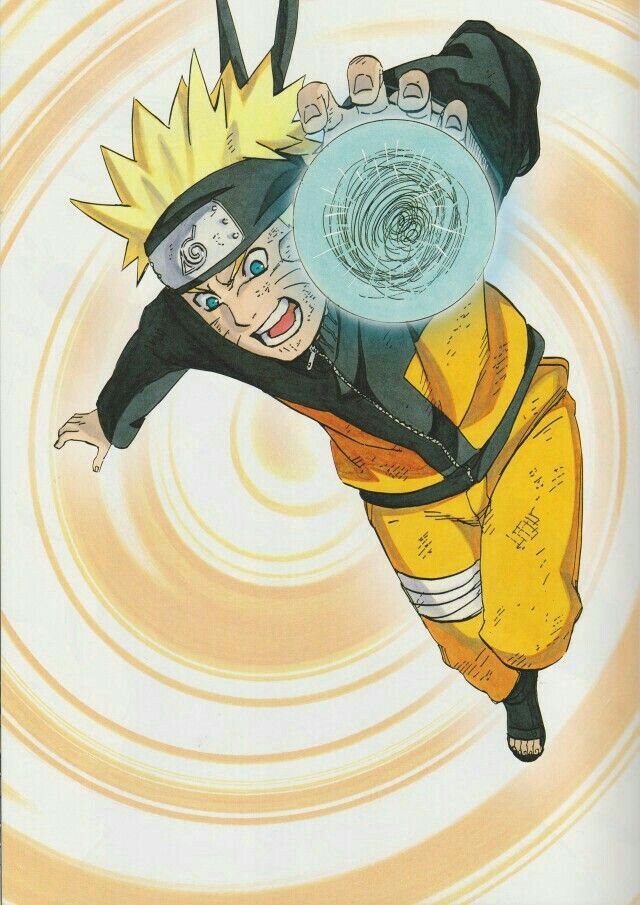
Naruto is one of the most popular manga and anime series of all time. It’s up there with the likes of Dragon Ball and One Piece, and like every other manga author, Naruto’s creator Masashi Kishimoto was inspired by what came before him. Kishimoto has expressed how much the legend of the industry, Akira Toriyama, influenced him, and you can clearly see parallels between both Naruto and Toriyama’s series Dragon Ball. For example:
- Naruto and Goku are both very high-energy and idealistic.
- Sasuke and Vegeta are both brooding rivals.
- Naruto’s mentor figure Jiraiya is the “Toad Hermit” while Goku’s mentor, Master Roshi, is the “Turtle Hermit.” Both are also perverts.
However, these parallels are common in almost every shōnen series. Many of these characteristics are part of a tried and true formula that shōnen authors will toy around with to create their own unique and compelling stories. Something like Naruto is not copying something like Dragon Ball.

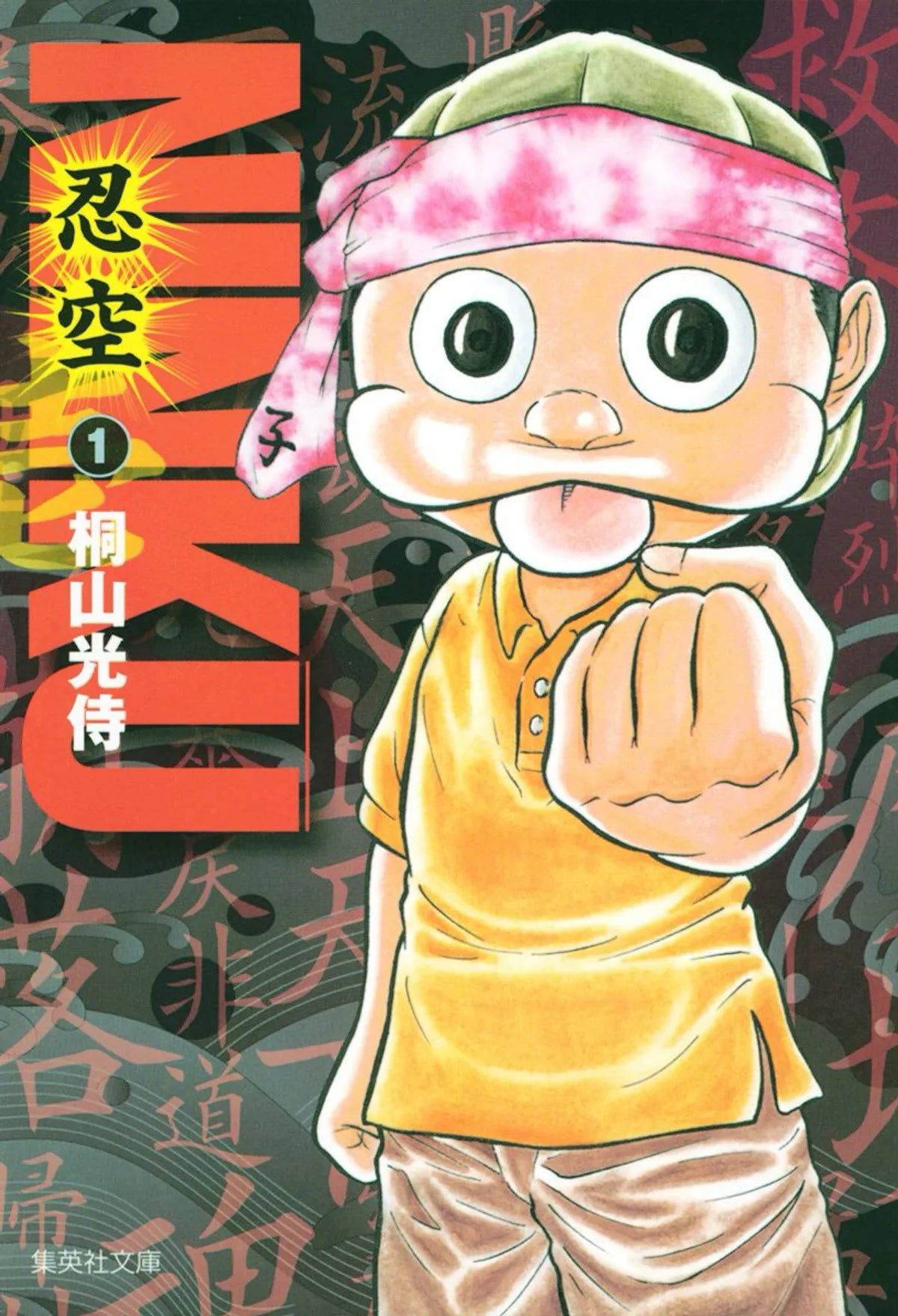
The same thing cannot be said for Naruto and Ninkū (1993-1995) from author Kōji Kiriyama. While Naruto and Dragon Ball are both series cut from the same cloth, sharing some genre similarities, Naruto heavily mirrors Ninkū to the point where it may seem like its doppelgänger.
After looking at both series and how Masashi Kishimoto created Naruto, a question presents itself: was Kishimoto ripping off Kiriyama’s series, or was he so heavily inspired that he created a spiritual successor?
In his own words, Kishimoto says:
“I created Naruto because I personally wanted to see the continuation of Ninkū.”
Now, 33 years after the beginning of Ninkū and 27 years after the beginning of Naruto, there’s an announcement of a Naruto and Ninkū collaboration. To some, it is exciting. To others, it’s confusing. Regardless of where you lie, this collaboration demands understanding.

What Even Is Ninku, and Where Did It Come From?
As mentioned previously, Naruto is one of the most popular anime and manga series of all time. Most people in this community have either seen the series or are at least somewhat aware of what Naruto does in the series, how he fights, who he fights against, etc.
The same cannot be said for Ninkū (at least in the West). Despite it being a big influence on Kishimoto, and despite it having over 100 chapters, an anime film, a few video games, and a 55-episode anime, it’s a relatively obscure series for worldwide anime fans.

In Japan, it was much more popular. Even while that was the case, Kōji Kiriyama struggled with drawing and conceptualizing the series, and ultimately after two years and a few hiatuses, it ended in 1995. Had it continued, it may have gotten more global appeal, but it would also have faced significant competition in the form of series like Sailor Moon, Hunter x Hunter, and One Piece.
While Kiriyama struggled with Ninkū at first, and even though it didn't reach overseas, he continued the series from 2005 to 2011 with Ninkū: Second Stage – Story of Etonins.
However, before Kiriyama could finish Ninkū with this continuation, Masashi Kishimoto was reading and copying Kiriyama’s drawings and formulating his own manga series.

Similarities Between Naruto and Ninkū
So, Kishimoto practiced his artistic skills in college by reading, watching anime, and copying the art and designs in some of his favorite series. How does that translate to Naruto being a “copy” of Ninkū? Well, while Kishimoto may have been practicing his artistic skills with series like Ninkū, he was also learning more about what makes a series visually compelling and narratively rich.
The actual story of Ninkū revolves around Fūsuke, the former captain of the Ninkū Corps. At just 12 years old, he’s incredibly talented in ninkū, a martial arts combination of traditional ninjutsu and hand-to-hand combat like karate and kung fu. Ninkū practitioners further accentuate their combat abilities by channeling natural elements like wind and spiritual energy. Fūsuke himself manipulates the wind, and this similarity to Naruto’s own Rasengan is just the tip of the iceberg. Naruto and Fūsuke both:
- Use substitution-style jutsus and shadow clones (afterimages in Ninkū).
- Access their techniques through hand signs.
- Have a background as orphans.
- Run with their arms behind their backs.
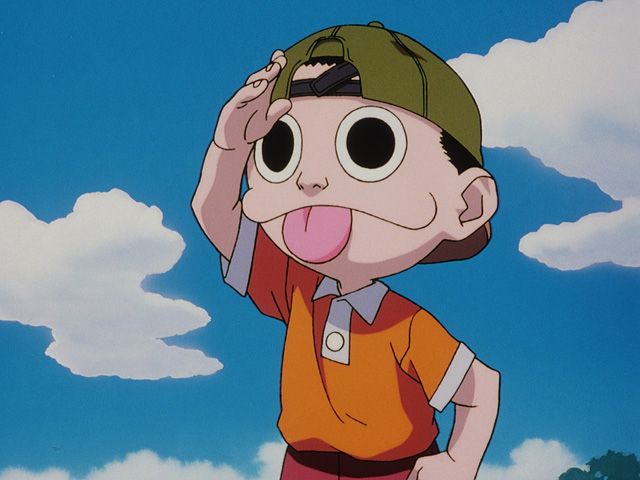
- Like to stick their tongue out.

Is this enough to say that Kishimoto ripped off Kiriyama’s story when he was writing Naruto? No, but there are certainly enough similarities to take notice of.
Naruto and Ninkū’s New Collaboration Anime Project
Some harsh critics may read Naruto as a ripoff of Ninkū, but in Kishimoto’s own understanding, Naruto is more of a creative homage and spiritual successor to one of his favorite series that ended too soon.

On October 10th, 2026, it was announced, among many other Naruto announcements, that a new 4-episode animation project was in the works, NARUTOxNINKŪ. Team 7, with Sasuke and without Kakashi, go on a mission and end up transported into the world of Ninkū. When asked for comment, Kiriyama said:
“This miracle has come to pass thanks to Kishimoto Sensei’s proposal and generosity.
I’m very honored that he understands and embraces the world of Ninkū so deeply.”
On the announcement, Kishimoto himself said:
“I created Naruto because I personally wanted to see the continuation of Ninkū.
I think many of you have already noticed, but Naruto was immensely influenced by Ninkū.
Without Ninkū, Naruto would not exist.
Simply put, Fūsuke is Naruto’s secret mentor.
Eventually, I began dreaming of bringing this master-and-student relationship out of the shadows, and into an actual storyline.
Kiriyama Sensei, who is as much a mentor to me as Fūsuke is to Naruto, graciously agreed to my selfish request.
By meeting with me in person and with his extensive cooperation, he helped make my long-standing dream a reality.
I was finally able to create a continuation of Ninkū in the truest sense.”
While fans are not sure where characters like Sasuke and Fūsuke’s pet penguin Hiroyuki are going to fit into the story, it’s clear that this collaboration is less about them. Instead, it’s more of a way to see Naruto and Fūsuke interact. Instead of fan service for the fans, it’s fan service for Kishimoto and Kiriyama.

So, Is Naruto a Copy of Ninkū?
It’s clear that even almost 30 years removed from the end of Ninkū and the beginning of Naruto, Kishimoto still has incredible admiration for Kiriyama as well as the world and characters he created. When Naruto was first being adapted into an anime, he requested that Ninkū anime designer Tetsuya Nishio oversee the new character designs.
Naruto is not a ripoff of Ninkū, but it’s not a spiritual successor either. Instead, it’s a love letter to everything that influenced Masashi Kishimoto as he grew up falling in love with manga and anime. Kishimoto simply decided to wear his inspirations on his sleeve more openly than other creators.